
Christian Friendship After 50 can become one of the most meaningful parts of a woman’s life. As the years pass, friendships may change. Children grow up, family responsibilities shift, careers come to an end, and some of the people who once shared our daily lives may move away or enter different seasons.
For some women, this stage brings opportunities to reconnect with old friends. For others, it can reveal an unexpected loneliness or the desire to build new relationships.
Friendship is not limited to youth. Women can form meaningful connections at every age, and Christian sisterhood offers something especially valuable: relationships built on encouragement, compassion, shared faith, and genuine care.
The Bible reminds us that we were not created to walk through life entirely alone. Ecclesiastes 4:9–10 describes the value of two people supporting one another when one falls.
Whether you have a close circle of friends or are hoping to find your community, there is still room for friendship, laughter, shared experiences, and new beginnings.
Friendships provide companionship, encouragement, and a sense of belonging. They give us people with whom we can share ordinary moments as well as life’s important milestones.
After 50, a woman’s social world may look different from the way it did earlier in life. Retirement, relocation, changing family roles, bereavement, or health-related limitations can affect how often she sees friends.
These changes do not mean meaningful friendships are no longer possible.
In fact, this season can offer an opportunity to develop deeper relationships. With greater life experience, many women have a clearer understanding of what they value in a friendship: honesty, trust, respect, kindness, and the freedom to be themselves.
Christian friendship can also provide a shared foundation. Friends can pray together, discuss Scripture, encourage one another through difficult seasons, and celebrate the ways God is working in their lives.
Research also recognises the importance of social connection as people grow older. The National Institute on Aging explains how social isolation and loneliness can affect older adults, making meaningful relationships an important part of healthy ageing.
One common misconception is that the best time to make lasting friendships has already passed. You may feel that everyone has established their own circle and that there is little room for someone new.
But friendship does not have an age limit.
You can meet a kindred spirit at church, a community gathering, a women’s event, a volunteer activity, or even through an ordinary conversation with a neighbour.
You do not need to become close immediately. Allow a connection to develop naturally.
Try taking small steps:
A meaningful friendship may begin with something as simple as asking someone how her week has been.
Do not assume that it is too late to meet someone who understands you. New relationships can bring unexpected joy into any season of life.
Some relationships develop because people work together, live nearby, or share family responsibilities. These connections can be valuable, but lasting friendship often requires something deeper.
A genuine friend is someone with whom you can share thoughts honestly, enjoy ordinary moments, and feel respected.
For Christian women, shared faith can provide a meaningful foundation. However, friendship should not be based on pretending to agree about everything or presenting a perfect version of yourself.
Healthy Christian friendships make room for honesty, different experiences, and mutual understanding.
Look for relationships where:
The goal is not to find someone who thinks exactly as you do. It is to build a relationship where both women can grow while treating each other with kindness.
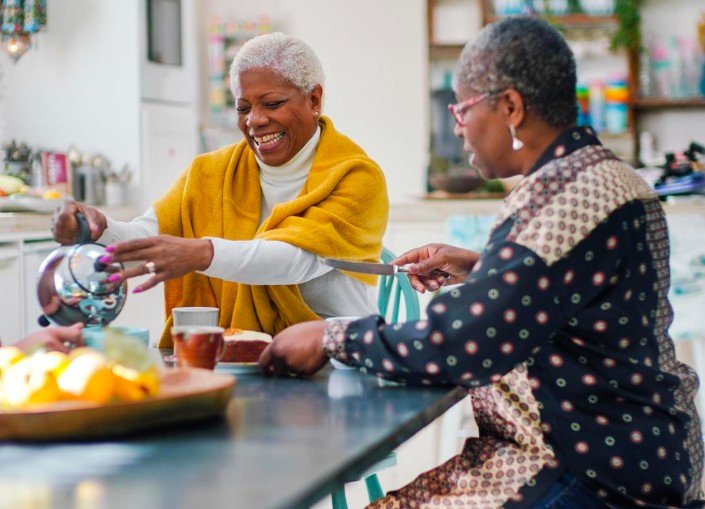
It can feel uncomfortable to initiate a friendship, especially if you have experienced disappointment or rejection in the past.
You may wonder whether the other person is interested, whether you will have anything in common, or whether your invitation will be welcomed.
But meaningful relationships often begin when someone is willing to reach out.
You might send a message to an old friend, invite a woman from church for coffee, or ask a neighbour to join you for a walk.
Keep the invitation simple and without pressure.
For example:
Not every invitation will lead to a close friendship, and that is perfectly normal. The important thing is to remain open to connection without measuring your worth by another person’s response.
Friendship does not have to be limited to women of the same age.
A woman in her sixties may find meaningful companionship with someone in her forties, while a younger woman may gain encouragement from an older friend who has experienced many seasons of life.
Intergenerational friendships can create opportunities for learning and mutual support.
Older women can share life experience, perspective, and encouragement. Younger women can bring fresh ideas, different experiences, and new ways of seeing the world.
Titus 2:3–5 describes older women encouraging and teaching younger women. This passage offers an example of the value of women supporting one another across generations.
These relationships should be built on mutual respect rather than assumptions about what each person should provide.
You can begin by:
A strong Christian community makes room for every generation.
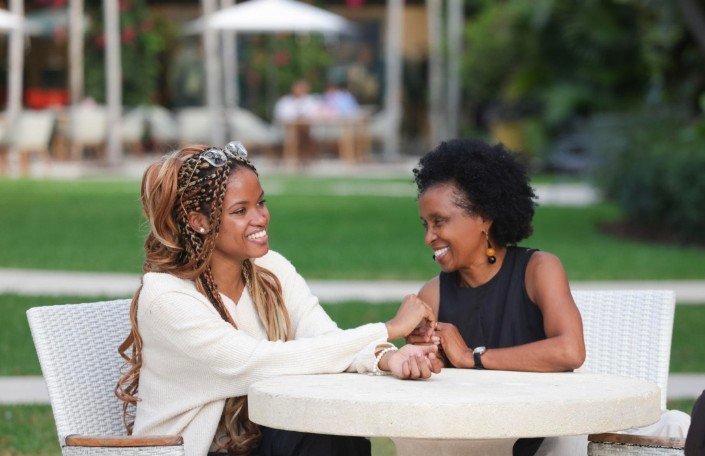
Life sometimes takes friends in different directions. Someone may move to another city or country, family responsibilities may make visits difficult, or health concerns may limit travel.
Distance can change a friendship, but it does not always have to end it.
With a little intention, you can maintain meaningful connections even when you cannot meet regularly.
Consider these simple ideas:
Do not let the pressure to have long conversations prevent you from reaching out. A short message saying, “I was thinking about you today,” can mean a great deal.
Friendship is not measured only by how often you meet. Consistent care and genuine interest can keep a relationship meaningful across distance.
One of the greatest gifts of friendship is having someone who remains present when life becomes difficult.
After 50, women may experience significant changes, including the loss of loved ones, family concerns, retirement, relocation, or changes in health and independence.
During these times, a friend may not be able to solve the problem. But listening, offering practical help, and simply being present can make a difference.
Galatians 6:2 encourages believers to carry one another’s burdens.
You can put this principle into practice by:
Sometimes the most helpful words are not complicated. Saying “I am here for you” and following through can be more meaningful than giving advice.
A good friend does not need to have all the answers. She needs to care enough to stay present.
Friendship becomes stronger when people have opportunities to spend time together.
You do not need expensive outings or elaborate plans. Simple gatherings can create space for conversation, laughter, encouragement, and shared faith.
Consider starting a small Christian sisterhood gathering with a few women.
You could:
Keep the atmosphere welcoming. Not every gathering needs to become a formal Bible study or organised programme. Sometimes women simply need a comfortable place to talk and enjoy one another’s company.
A sisterhood grows through repeated acts of kindness, reliability, and mutual respect.
For more reflections on Christian womanhood, strength, and encouragement, visit the Women page at Green Pasture Living.
Not every friendship lasts forever. Some relationships become less active as responsibilities change, while others may end because of distance, disagreements, or different priorities.
Losing a friendship can be painful, especially when someone has been part of your life for many years.
It is important to acknowledge those feelings rather than pretending they do not matter.
You can appreciate what a friendship once meant while accepting that the relationship may look different today.
If a relationship has become consistently harmful, controlling, or disrespectful, it may also be necessary to establish boundaries.
Forgiveness, kindness, and compassion do not require you to remain in a situation that repeatedly harms your well-being.
Give yourself permission to grieve a changed relationship, learn from the experience, and remain open to healthy connections in the future.
It is natural to think about what we need from friendship. But lasting relationships also require us to consider what we bring into them.
You do not need to be perfect to be a good friend. You need to be willing to show care through everyday actions.
Ask yourself:
Proverbs 17:17 reminds us that a friend loves at all times.
Friendship is not about constant agreement or uninterrupted happiness. It is about showing up with honesty, compassion, and respect through different seasons.
No. Women can form meaningful friendships at every age. Church activities, community events, volunteer opportunities, and shared interests can all create opportunities to meet new people.
Start by becoming involved in welcoming environments such as church gatherings, women’s Bible studies, community activities, and volunteer groups. Take the initiative to introduce yourself and invite someone for a conversation.
Christian friendship can be grounded in shared faith, mutual encouragement, prayer, compassion, and a desire to honour God. It should also include honesty, respect, and healthy boundaries.
Regular phone calls, thoughtful messages, video conversations, remembering important occasions, and occasional visits can help maintain long-distance friendships.
Acknowledge your feelings, consider whether an honest conversation may help, and allow the relationship to develop naturally. If the friendship becomes harmful, healthy boundaries may be necessary.
They can share experiences when invited, listen without judgement, offer practical encouragement, and create welcoming spaces where younger women feel respected and supported. Titus 2:3–5 provides a biblical example of women encouraging one another across generations.
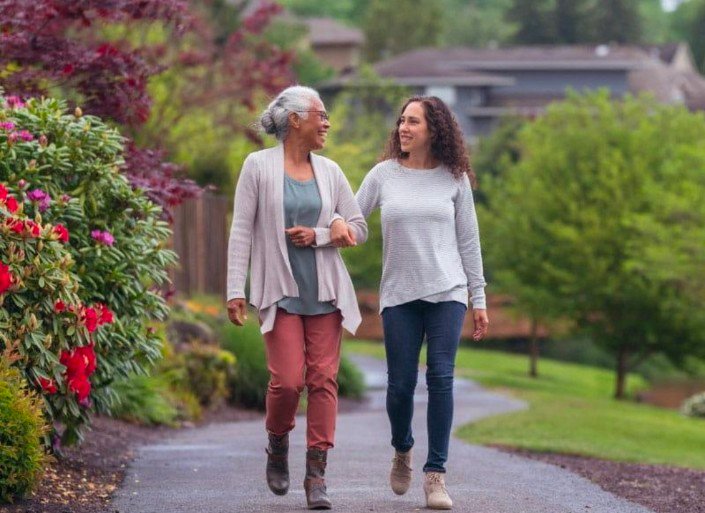
Christian Friendship After 50 is not about recreating the friendships of your younger years. It is about recognising that meaningful connection remains possible in every season.
You may reconnect with an old friend, meet someone new at church, develop a relationship across generations, or become part of a community that feels like family.
Start with one conversation. Send one message. Accept one invitation. Or extend an invitation of your own.
Friendship grows through small acts of care repeated over time.
May God bless you with relationships marked by honesty, laughter, encouragement, compassion, and shared faith. And may you also become the kind of friend who helps another woman feel seen, valued, and welcomed.
If you would like to explore more encouragement and reflections for Christian women, visit Green Pasture Living.
At Green Pasture Living, we celebrate the strength of Christian sisterhood and the meaningful connections women can build through every season of life.