
Walking with God is one of the most meaningful journeys a Christian can experience. It is more than attending church, reading the Bible occasionally, or praying only when life becomes difficult. Walking with God means developing a daily relationship with Him, learning to trust His guidance, following His Word, and allowing His presence to shape the way you live.
The Bible describes this relationship as a close and continual walk with God. Genesis 5:24 tells us that Enoch “walked with God,” showing us that a faithful relationship with God can become the foundation of an entire life.
In a busy world filled with distractions, responsibilities, uncertainty, and pressure, it can be easy to lose focus on our spiritual lives. But God invites us to draw near to Him. James 4:8 reminds us, “Draw near to God, and He will draw near to you.”
So, what does it actually mean to walk with God? And how can you grow closer to Him each day?
Here are 10 powerful biblical ways to strengthen your relationship with God and make Walking with God a daily part of your life.
Walking with God means living your life in relationship with Him. It involves trusting Him, listening to His Word, seeking His direction, and choosing to follow His ways.
Walking with God does not mean that you will never face problems. Christians still experience disappointment, temptation, grief, uncertainty, and difficult seasons. The difference is that you do not have to walk through those seasons alone.
God promises His presence to those who trust Him.
Psalm 23:4 says, “Even though I walk through the valley of the shadow of death, I will fear no evil, for you are with me.”
Walking with God means learning to recognize that His presence is with you in both peaceful and difficult seasons.

One of the most important parts of Walking with God is prayer.
Prayer is not simply asking God for what you need. It is communication with your Creator. Through prayer, you can worship Him, thank Him, confess your sins, express your fears, ask for wisdom, and surrender your plans to Him.
1 Thessalonians 5:17 encourages believers to “pray without ceasing.”
This does not mean you must spend every moment of the day on your knees. Instead, it means developing a lifestyle where communication with God becomes natural and continuous.
Start your morning with prayer. Talk to God during your commute, while working, during household responsibilities, and before going to sleep.
You can pray simple prayers such as:
“Lord, guide me today.”
“Help me make wise decisions.”
“Give me patience.”
“Thank You for Your goodness.”
“Help me trust You even when I do not understand.”
A consistent prayer life can help you become more aware of God’s presence throughout your day.

You cannot grow deeply in your relationship with God without spending time in His Word.
The Bible teaches us who God is, what He has done, what He desires for His people, and how we should live.
Psalm 119:105 says, “Your word is a lamp to my feet and a light to my path.”
When you regularly read Scripture, you give God an opportunity to shape your thoughts, decisions, attitudes, and priorities.
Instead of simply reading quickly to complete a daily Bible plan, slow down and ask questions:
Even reading a small portion of Scripture consistently can make a significant difference when you approach it with an open heart.

Walking with God requires trust.
There will be seasons when you do not understand what God is doing. You may pray for something and not receive the answer you expected. You may face a closed door, an unexpected change, or a difficult situation.
During these moments, faith means trusting God’s character even when you cannot see His plan.
Proverbs 3:5-6 teaches us to trust in the Lord with all our heart and not depend completely on our own understanding.
Trust does not mean pretending that everything is easy. It means choosing to believe that God is faithful even when circumstances are confusing.
When you cannot see the whole path, take the next faithful step.
God does not always reveal everything at once. Sometimes He asks us to trust Him one step at a time.
Read : Raising Godly Children: 15 Powerful Biblical Principles Every Christian Parent Should Know
Walking with God is not only about knowing Scripture. It is also about putting God’s Word into practice.
James 1:22 encourages believers to be doers of the Word rather than hearers only.
You may read about forgiveness, but Walking with God means choosing forgiveness.
You may read about generosity, but Walking with God means becoming generous.
You may read about loving your neighbor, but Walking with God means showing love through your actions.
Obedience can sometimes be difficult because God’s ways may challenge our comfort, preferences, or plans. But obedience demonstrates that we trust God’s wisdom above our own.
Ask yourself regularly:
“What is God teaching me, and how can I respond to it?”
Spiritual growth happens when biblical truth moves from our minds into our everyday lives.
Gratitude can transform the way you see your life.
It is easy to focus on what is missing, what went wrong, or what you wish were different. But Scripture repeatedly encourages believers to give thanks.
1 Thessalonians 5:18 says, “Give thanks in all circumstances.”
This does not mean that every circumstance is good. Rather, it means we can continue to recognize God’s goodness even during difficult circumstances.
Try starting a gratitude habit.
Each day, write down three things you are thankful for. They do not have to be major events. You might thank God for:
Gratitude redirects our attention from what we lack toward the goodness God has already shown us.
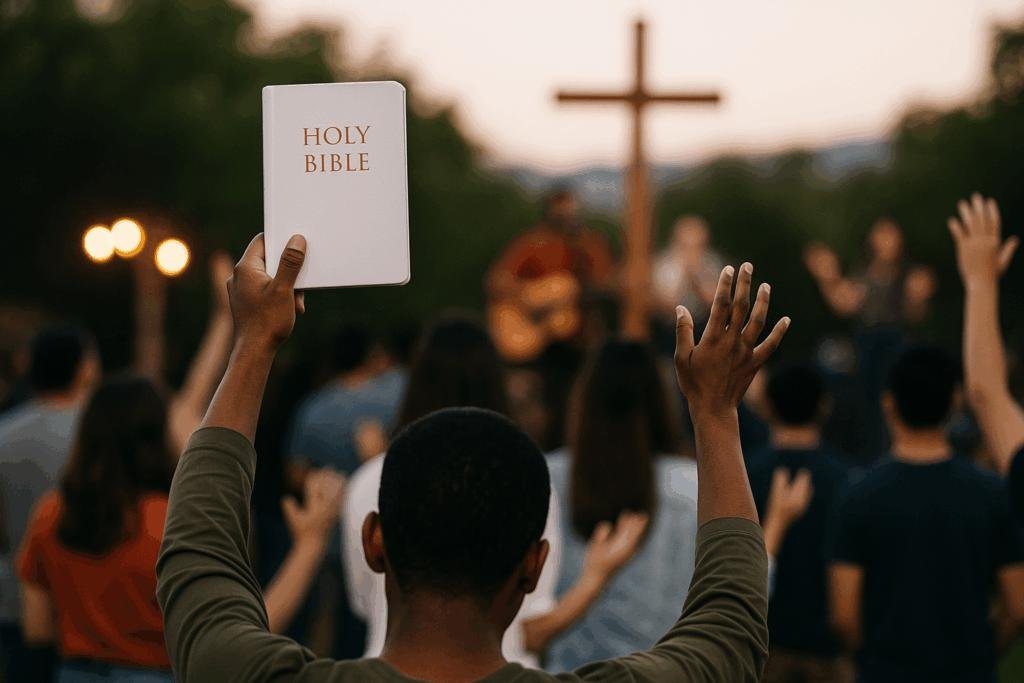
Worship is another important part of Walking with God.
Worship is more than singing songs at church. It is a lifestyle of honoring God with your heart, words, decisions, work, relationships, and resources.
Romans 12:1 encourages believers to offer their lives to God as an act of worship.
You can worship God while singing, praying, serving others, working honestly, caring for your family, or helping someone in need.
When worship becomes part of your daily life, your attention shifts from yourself to God.
Take time to listen to worship music, sing praises, read a Psalm, or simply sit quietly and thank God for who He is.
Worship reminds us that God is worthy of our attention and devotion.
Walking with God was never meant to be completely isolated.
Christian community gives us encouragement, accountability, wisdom, and support. Other believers can pray with us, encourage us during difficult seasons, and remind us of God’s truth when we become discouraged.
Hebrews 10:24-25 encourages believers to continue meeting together and encouraging one another.
Find healthy Christian relationships where you can be honest about your struggles and celebrate God’s faithfulness together.
This could include:
The right community can help you remain spiritually strong when life becomes difficult.
Walking with God means inviting Him into every area of your life.
Some people think of faith as something separate from work, finances, relationships, education, parenting, or personal goals. But God cares about every part of our lives.
Before making an important decision, pause and pray.
Ask:
“Does this decision honor God?”
“What does Scripture teach about this situation?”
“Am I making this decision from faith or fear?”
“Have I surrendered this plan to God?”
Proverbs 16:3 encourages us to commit our work to the Lord.
When you make God part of your everyday decisions, your relationship with Him becomes practical rather than simply theoretical.
Modern life is filled with noise.
Phones, social media, entertainment, work, responsibilities, notifications, and constant information can make it difficult to slow down.
Sometimes we need to intentionally create quiet moments with God.
Psalm 46:10 says, “Be still, and know that I am God.”
Being still does not mean that you stop caring about your responsibilities. It means creating space to quiet your mind and refocus your heart on God.
Set aside a few minutes each day without your phone or other distractions.
Sit quietly.
Pray.
Read Scripture.
Reflect on God’s goodness.
Ask Him to search your heart.
Sometimes spiritual growth happens not when we are doing more, but when we become quiet enough to recognize what God is teaching us.
Walking with God is a lifelong journey.
There will be seasons of joy, seasons of waiting, seasons of growth, and seasons of difficulty. Your relationship with God should not depend only on how you feel or what is happening around you.
There may be days when prayer feels easy and days when you struggle to find the words.
There may be seasons when God’s presence feels obvious and seasons when you feel spiritually dry.
Keep walking.
Galatians 6:9 encourages believers not to become weary in doing good because, in due time, they will reap a harvest if they do not give up.
Faithfulness is not about having a perfect spiritual life. It is about continuing to turn toward God again and again.
When you fall, return to Him.
When you fail, seek His forgiveness.
When you become discouraged, remember His promises.
When you are uncertain, trust Him.
When you experience blessings, give Him thanks.
Keep walking with God.
Walking with God does not promise a life without problems. However, it gives you a foundation for facing life with faith and hope.
As you grow closer to God, you may experience:
The goal is not simply to become more religious. The goal is to know God more deeply and allow your relationship with Him to transform your life.
Sometimes the biggest obstacles are not external circumstances but the things happening inside our hearts.
Distractions can take our attention away from God.
Busyness can leave little time for prayer.
Sin can create distance and guilt.
Fear can make us doubt God’s promises.
Pride can make us depend on ourselves instead of God.
Unforgiveness can affect our relationships and spiritual growth.
The good news is that none of these things are beyond God’s grace.
When you recognize that you have drifted away, do not run from God. Run toward Him.
1 John 1:9 reminds us that God is faithful to forgive and cleanse us when we confess our sins.
God is not asking you to become perfect before coming to Him. He invites you to come as you are and allow Him to transform you.
You do not need to completely change your life overnight.
Start with small, consistent steps.
Tomorrow morning, spend five minutes in prayer before checking your phone.
Read a short passage of Scripture.
Write down one thing you are thankful for.
Ask God to guide your decisions.
Choose one biblical principle to practice during the day.
Before going to bed, thank God for His faithfulness.
These simple habits can become the foundation of a deeper relationship with Him.
The Christian life is not about checking spiritual activities off a list. It is about knowing God and learning to follow Him every day.

Walking with God is a daily invitation to live in relationship with Him.
It means praying when you are joyful and when you are hurting. It means reading His Word when you understand it and when you have questions. It means trusting Him when the path is clear and when the future feels uncertain.
You do not have to know everything about tomorrow.
You simply need to trust the One who already does.
As you pray, read Scripture, worship, obey, trust, and remain connected to other believers, your relationship with God can grow deeper and stronger.
Remember the words of Micah 6:8:
“He has told you, O man, what is good; and what does the Lord require of you but to do justice, and to love kindness, and to walk humbly with your God?”
May your journey of Walking with God become more than a phrase. May it become the foundation of your daily life.
Keep walking. Keep trusting. Keep seeking Him.
God is with you every step of the way.
Heavenly Father,
Thank You for inviting me to walk with You each day. Help me grow closer to You through prayer, Scripture, worship, and obedience. Teach me to trust You when I do not understand Your plans. Give me wisdom when I make decisions and strength when I face difficult seasons.
Help me surrender my fears, follow Your Word, and live in a way that honors You. When I become distracted or discouraged, draw my heart back to You.
Thank You for Your grace, faithfulness, and unfailing love.
In Jesus’ name, Amen.
Walking with God means living in a close relationship with Him through prayer, Scripture, faith, obedience, worship, and trust. It means seeking His guidance and allowing His Word to shape your daily life.
Start with simple daily habits such as praying, reading the Bible, thanking God, worshiping Him, and applying His teachings to your everyday decisions.
Prayer allows you to communicate with God, seek His guidance, express your concerns, thank Him, and develop a deeper relationship with Him.
Absolutely. Walking with God does not mean avoiding difficulties. It means trusting that God remains with you and will provide strength, wisdom, and comfort as you move through difficult seasons.
Several Bible passages describe walking with God. Micah 6:8 specifically calls believers to “walk humbly with your God,” while Genesis 5:24 describes Enoch as someone who “walked with God.”
Start today with one simple step: pray, open God’s Word, and ask Him to guide you.
And remember, you do not have to walk the journey alone. God is with you every step of the way.